Recover the useful wheat remaining in the lot
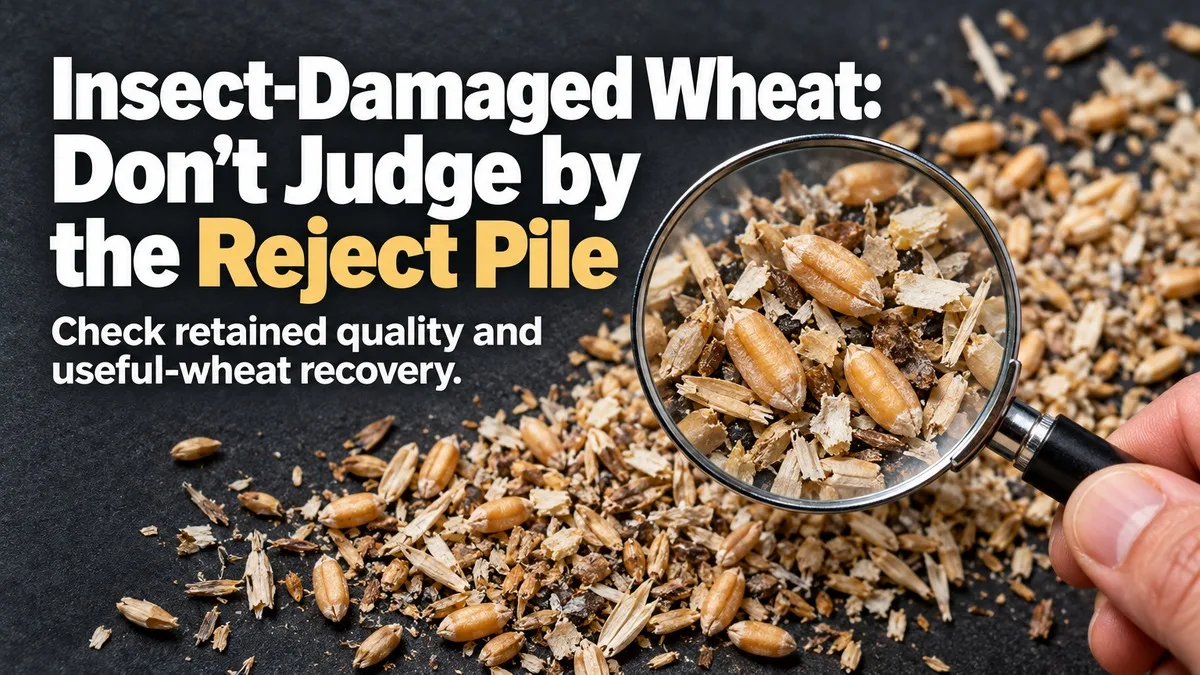
An insect-damaged wheat lot can still contain useful grain worth recovering. Airflow separation offers a practical opportunity when damaged material is lighter and responds differently to air than the wheat you want to keep. Judge the result by both the damage remaining in the retained wheat and how much useful wheat the process recovers.
Look for a physical difference—not just a damage label
USDA’s May 2014 wheat standards classify insect-bored kernels as damaged kernels. That makes this a damaged-wheat problem, not simply a matter of removing loose insects or foreign material.
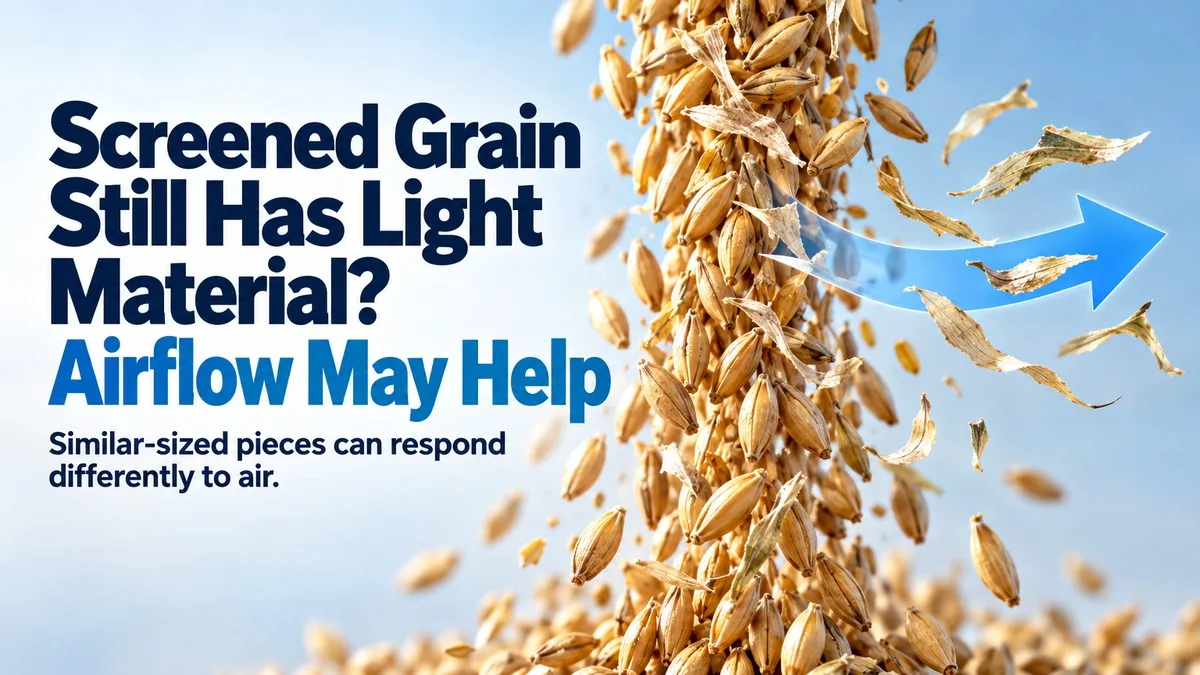
Metra ADS and ADS-CDC aerodynamic grain cleaners are used to separate insect-damaged wheat from valuable, sound kernels. In a real-world demonstration with the Metra ADS-200 CDC, Metra shows how insect-damaged kernels (IDK) can be separated from useful wheat using controlled airflow.
The equipment separates kernels according to their aerodynamic properties, influenced by mass, density, size and shape. Insect-damaged kernels may have different physical characteristics from sound wheat, creating an opportunity for effective separation. With adjustable airflow and fraction settings, Metra can adapt the cleaning process to the characteristics of the harvested wheat. This helps farmers recover valuable grain from lots containing insect-damaged kernels and prepare a cleaner, more uniform product for its intended use.
Count useful wheat, not just the rejects
Effective cleaning should accomplish two things: remove insect-damaged kernels and retain as much valuable wheat as possible. During a Metra cleaning demonstration, compare the original wheat with the separated fractions. This helps evaluate both the quality of the cleaned grain and the amount of useful wheat recovered.
Two measurements are especially helpful:
– Purity: The percentage of useful wheat in the cleaned fraction.
– Recovery: The percentage of the original useful wheat retained after cleaning.
To evaluate these results quantitatively, use representative samples to determine the composition of the incoming grain and each output, along with their total weights. A successful cleaning setup aims to concentrate insect-damaged kernels in separate fractions while preserving valuable wheat in the intended output.
For farmers preparing wheat for sale, the cleaned grain can also be assessed against the buyer's quality requirements, including the percentage of damaged kernels. The goal is not simply to remove damaged material. It is to recover valuable wheat and improve the quality of the grain you intend to keep or market.
Handle live insects as a separate storage problem
Separating damaged kernels is not a treatment to eradicate live insects, eggs or internal larvae. If the wheat remains in storage, check for insect activity separately. University of Minnesota Extension’s wheat and barley storage guidance recommends probes and insect traps, along with temperature records from several locations. Grain recovery and infestation control address different jobs.
See what your wheat can yield
Contact Metra at info@graincleaner.com to arrange a free grain sample test focused on separating damaged material and recovering useful wheat. You do not need to choose a machine first. Metra uses your sample to demonstrate separation, evaluate the cleaned and removed fractions, and recommend equipment and settings. Your manager will agree the sample quantity and confirm shipping arrangements and any associated costs before you send it.