Look for a physical difference cleaning can use
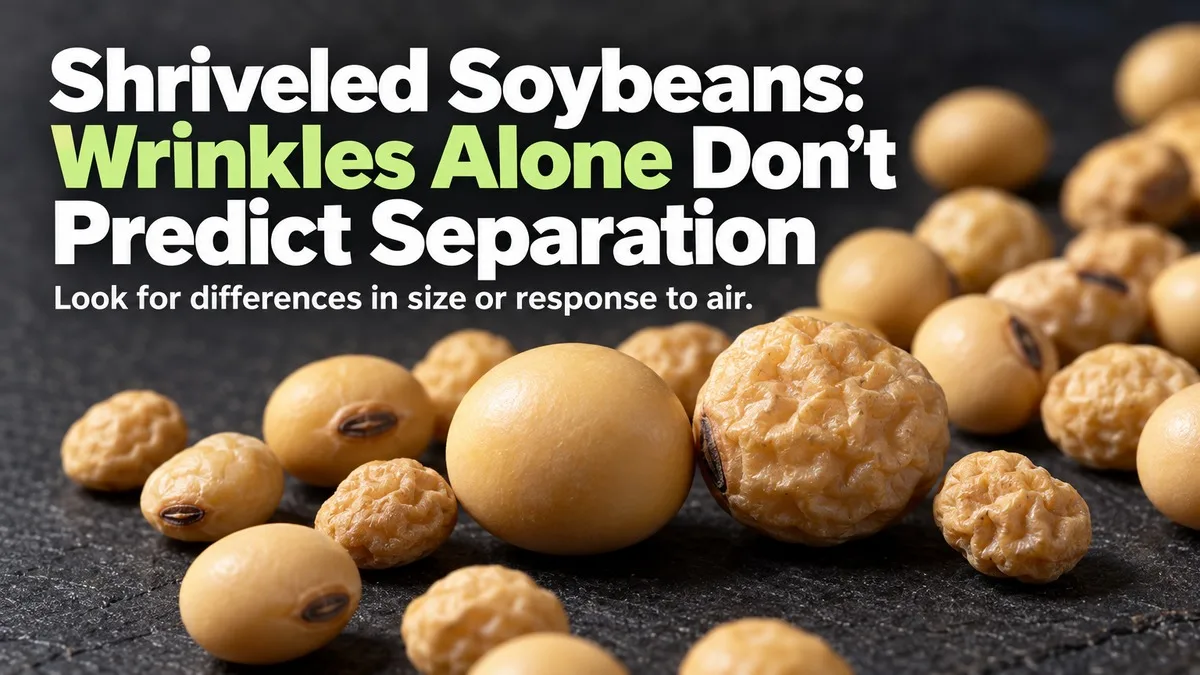
Shriveled and damaged soybeans mixed with healthy beans can create grain-quality problems and potential discounts at the elevator. But when damaged beans differ in size or aerodynamic properties, grain cleaning offers an opportunity to separate them while retaining more useful soybeans.
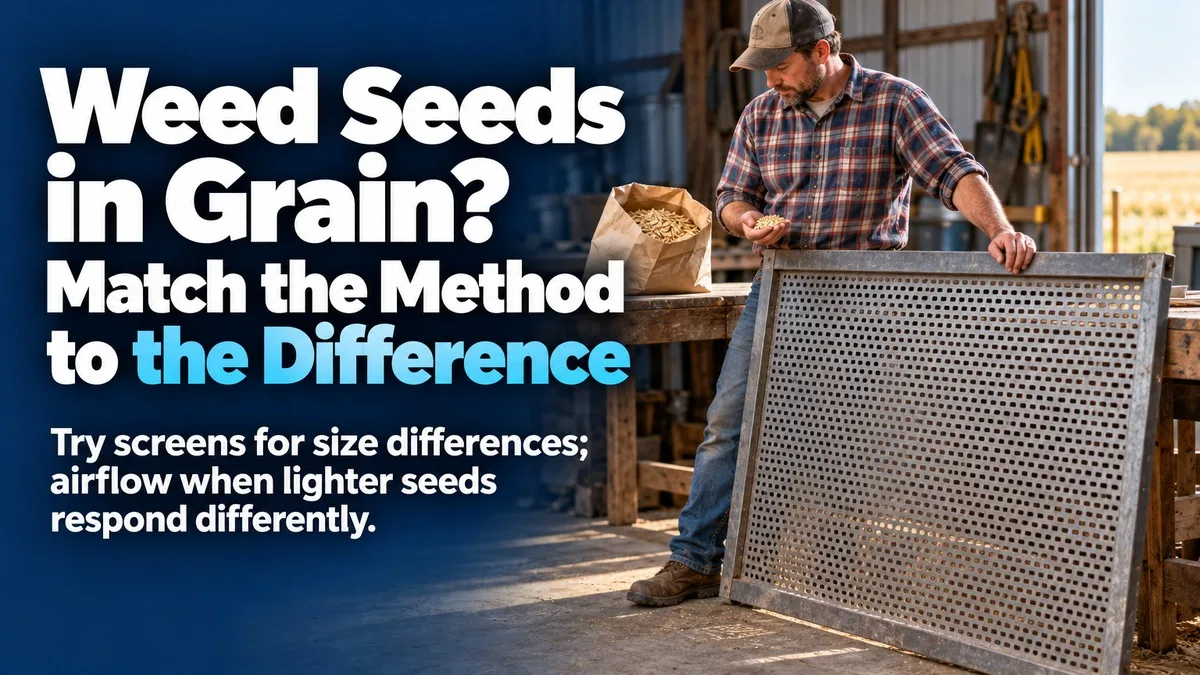
Metra offers two approaches: VDSC screening for size differences and ADS aerodynamic separation for material that responds differently to airflow. The goal is to remove a greater share of damaged beans while keeping valuable soybeans in the usable fraction.
A free sample test with your own soybeans can help identify which separation approach works best for your harvest.
Wrinkling is a clue, not a separation result
University of Minnesota Extension’s soybean quality guidance describes Diaporthe-infected seeds as often shriveled, chalky and wrinkled, sometimes with white or gray fungal growth. Those symptoms explain one source of damaged beans; they do not diagnose every wrinkled soybean.
Iowa State Extension notes that Diaporthe seed decay can reduce test weight and seed quality. Test weight describes bulk grain, though. It does not prove that each damaged bean is lighter or will separate in air.
Two situations worth separating
When damaged soybeans are smaller: Metra VDSC
Shriveled beans may be noticeably smaller than healthy soybeans. When there is enough difference in size, Metra VDSC vibrating screens can separate smaller damaged material from the larger beans you want to retain. This provides a practical cleaning option when size is the main distinguishing feature.
When damaged soybeans respond differently to airflow: Metra ADS
Some damaged soybeans may be similar in size to healthy beans but behave differently in moving air. Metra ADS and ADS-CDC use adjustable airflow to divide the material into separate fractions based on its aerodynamic properties. The airflow and separation settings can be adjusted to concentrate lighter damaged material in one fraction while directing useful soybeans to another. ADS-CDC also includes a cyclone dust collector.
Which approach should you choose?
The answer depends on the actual difference between damaged and useful beans in your harvest. A sample demonstration helps determine whether size screening or aerodynamic separation produces the more useful result.
Both series use aerodynamic separation—separation by response to moving air—not color selection. ADS-CDC includes a cyclone dust collector. ADS without the collector is the outdoor configuration.
What a soybean demonstration can tell you
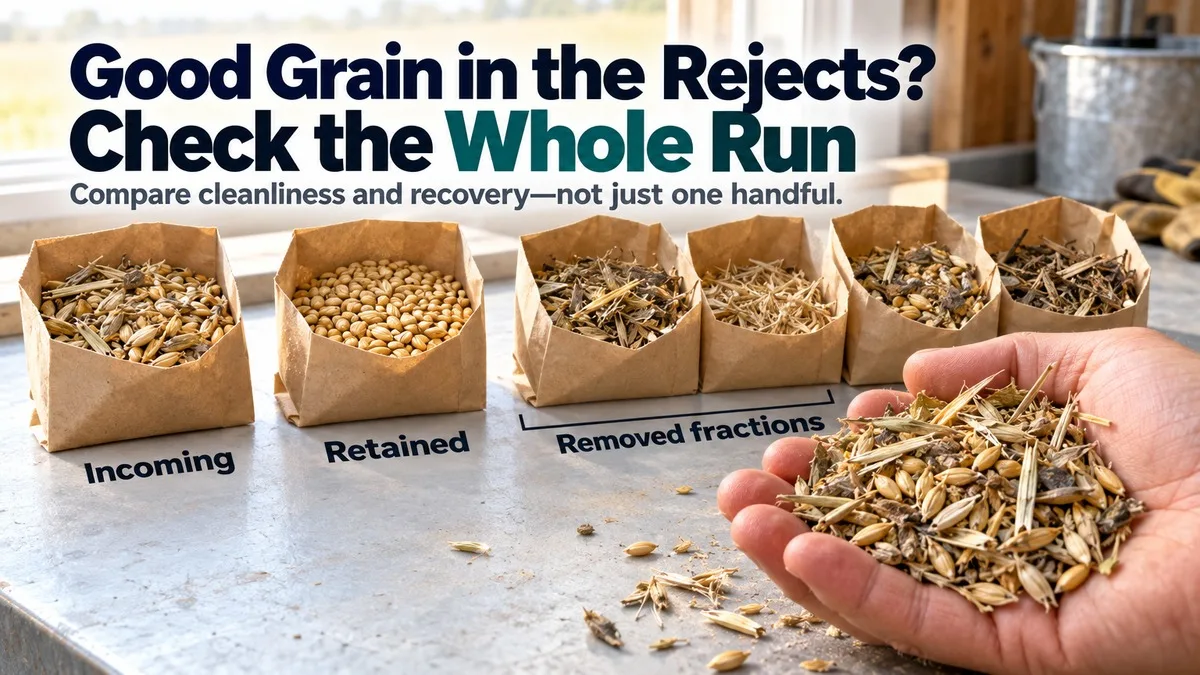
Use the incoming soybean sample as the reference, then look at the retained beans and the other outputs. The demonstration can show whether shriveled beans are being directed away from useful beans, which damaged beans remain, and whether sound beans leave with the removed material.
During a Metra sample demonstration, you can compare your original soybeans with the cleaned and separated fractions to see how the equipment handles the actual mixture.
The demonstration helps answer three practical questions:
– How much damaged material can be separated? Examine whether shriveled beans are concentrated in the removed fractions.
– How many damaged beans remain with the useful soybeans? Compare the cleaned fraction with the original mixture.
– How much useful grain is retained? Check whether sound soybeans are being diverted into other fractions.
These observations help evaluate both cleaning quality and grain recovery. A visual demonstration shows the separation, while reliable recovery percentages require measurements of the material entering and leaving the cleaner.
Find out what Metra can do with your soybeans before choosing a machine.
Send a sample of your harvested soybeans to Metra for a free cleaning test. The team will help determine suitable equipment and settings for your material and demonstrate the separation results.
Contact info@graincleaner.com to arrange the test, sample quantity and shipping details.